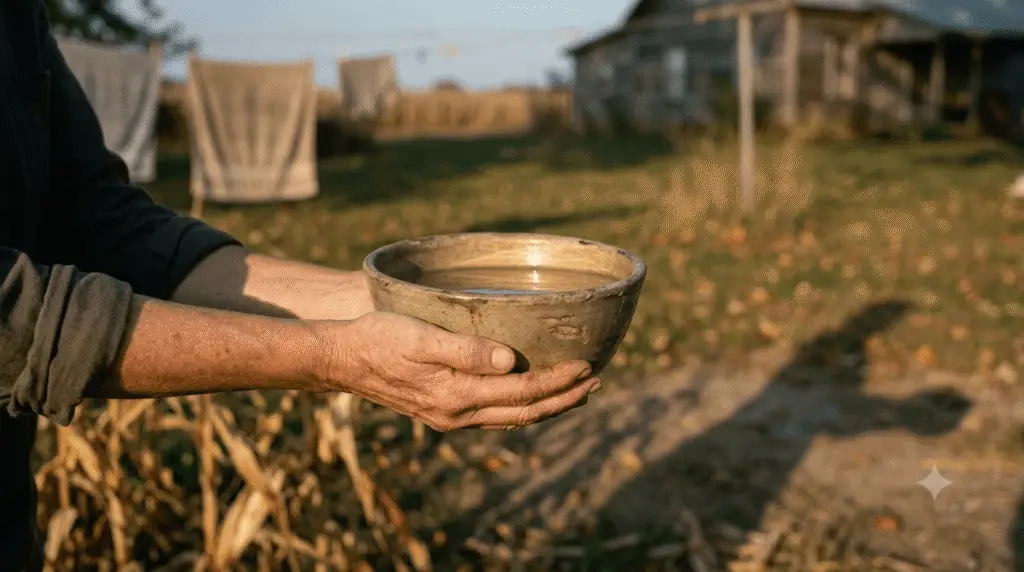
The Vessel
She had met him only a handful of times. She gave him a kidney anyway.


A kingdom did not fall to an invading army. It fell to an answer, given in a room where only one kind of voice remained — the story of Rehoboam, groupthink, and the decisions made long before anyone hears them announced.
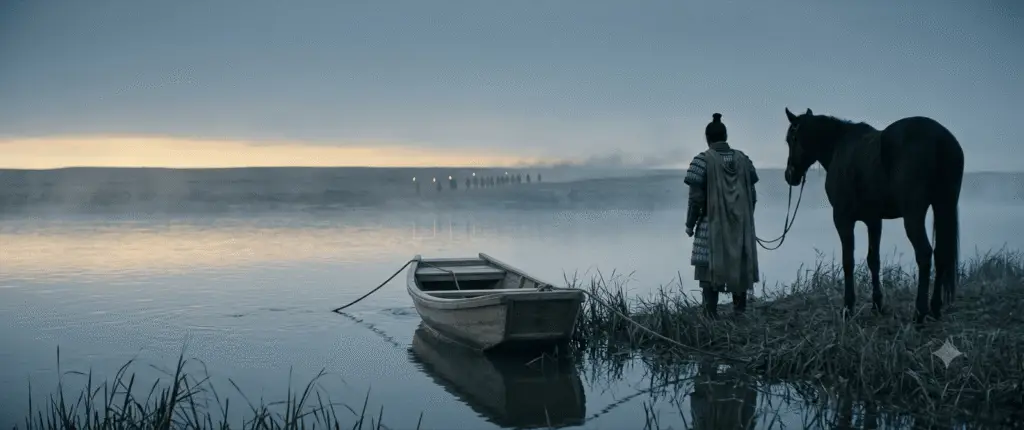
At the Wu River in 202 BC, a nameless ferryman held one boat ready for a beaten general, and the general turned back. Eight centuries earlier, a king on Mount Gilboa had asked for an ending and been refused.
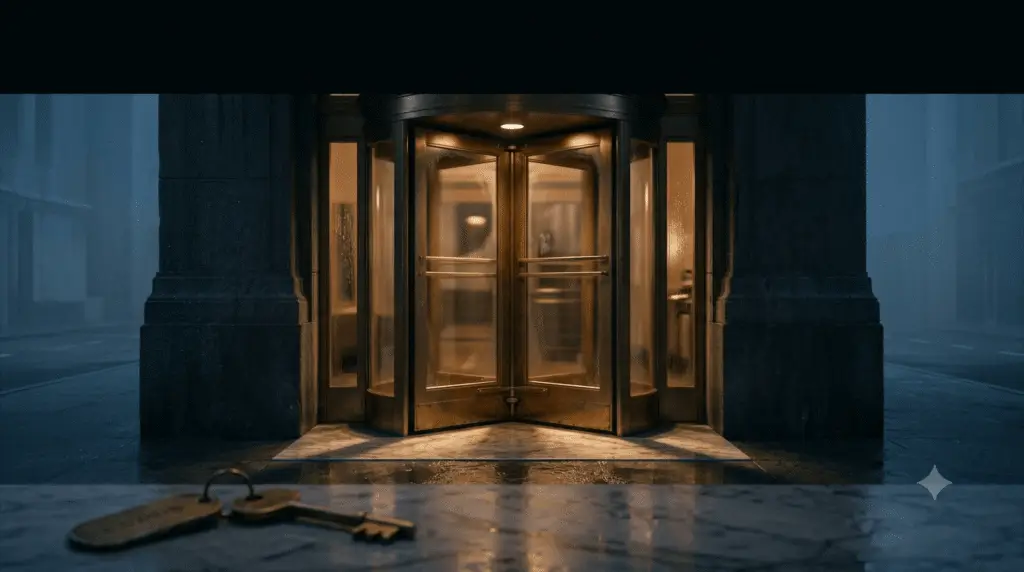
The first Best Picture was a film about people passing through a hotel. Read alongside Ecclesiastes and Psalm 90, Grand Hotel (1932) asks what the shortness of life is actually for.
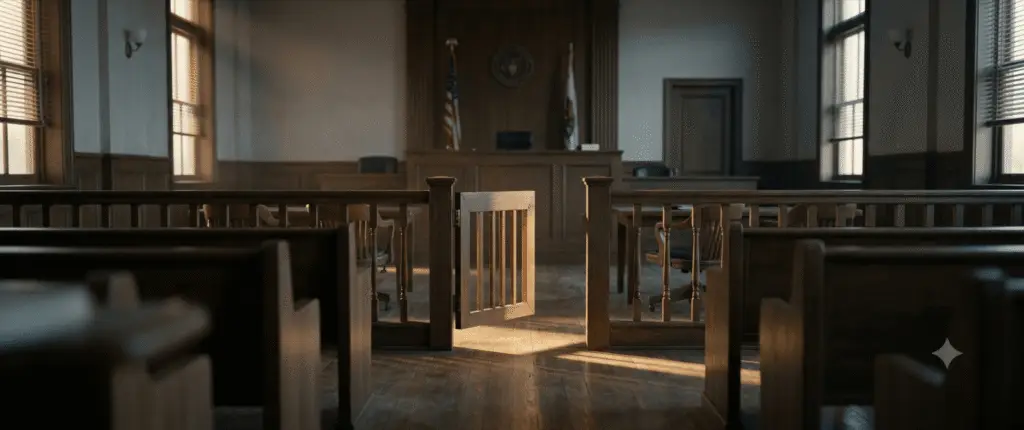
Forgiveness is not trust, and it is not acquittal. One Georgia widow’s year shows how mercy and accountability can stand in the same room.
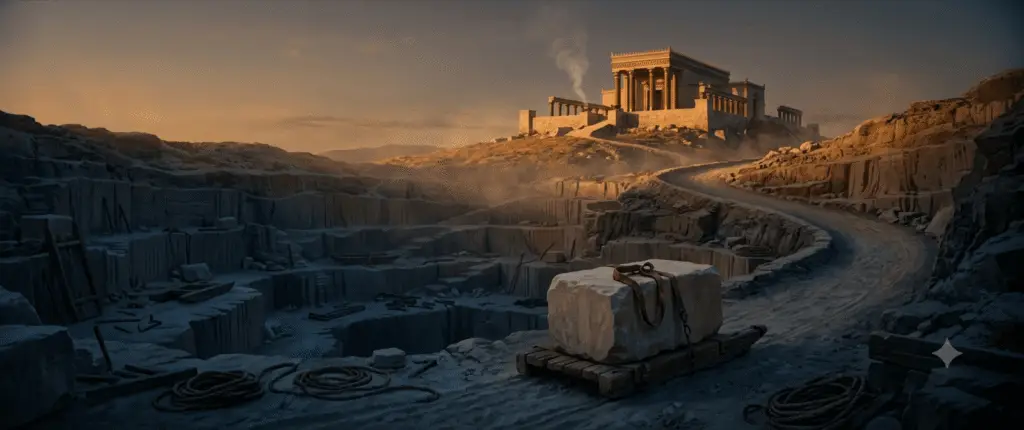
Solomon asked God for a heart that could hear. By his last decade, the kingdom he built had grown too loud to hear the people carrying it.
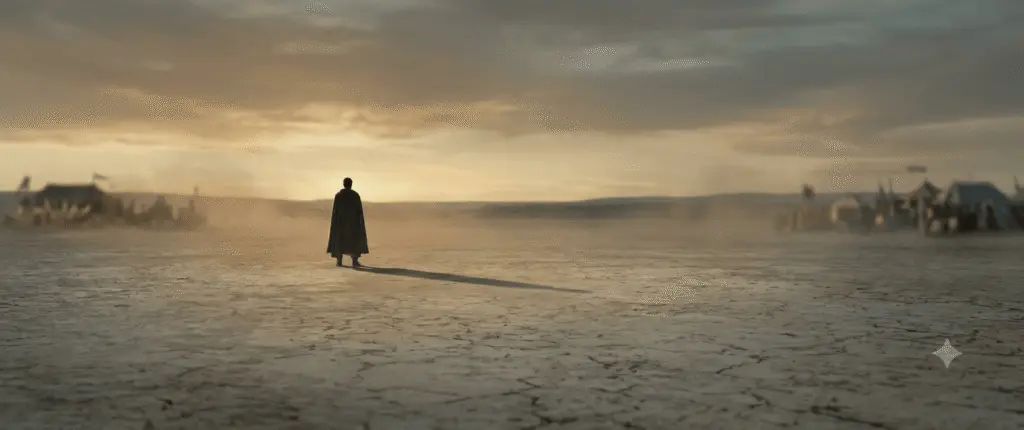
Wars end on paper, but someone has to ask first. At Zama in 202 BC, it was the general who had brought Rome to the edge of ruin.
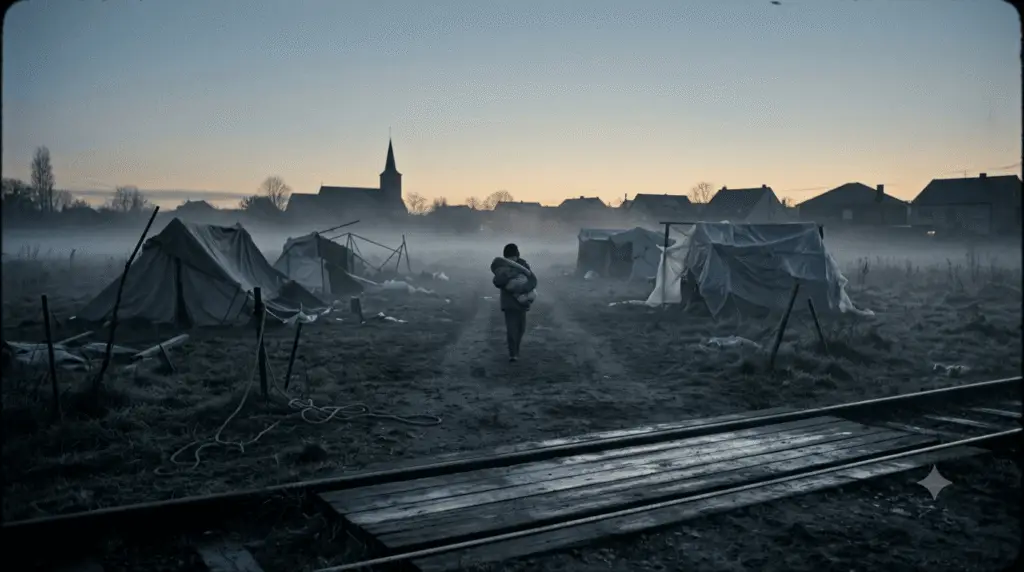
A dog license, a king’s stolen lamb, and a sidewalk cleared before sunrise. Three small cases, one measure: how much of a life fits into two arms when you are told to leave.
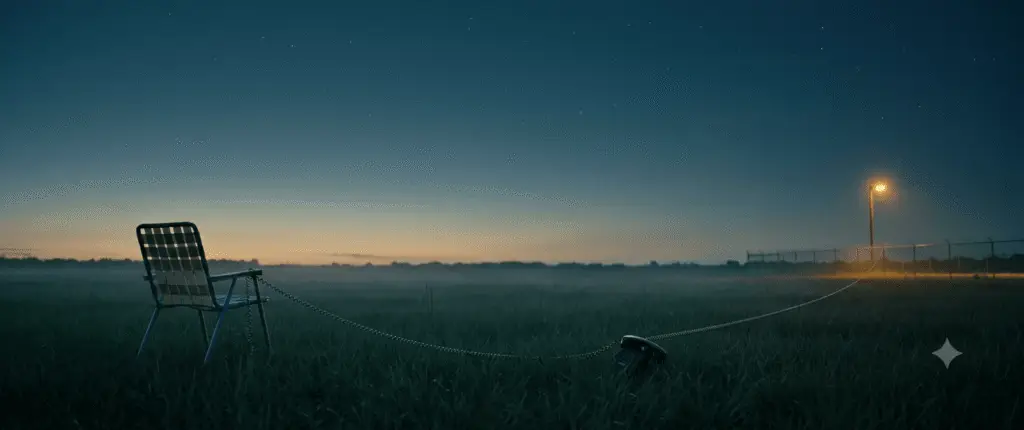
Leo Schofield spent thirty-six years in prison for a murder he says he didn’t commit. When the man who confessed finally called, Leo didn’t wait for a court to agree with him first — he said thank you.
The Books of Kings judge rulers by vineyards and daily bread, not by the armies they command.